Tenant rep broker fees: who pays and how much
The landlord usually writes the check, but the commission is built into your rent. Here is how it is calculated and what to put in writing.
- Words
- Omar Saleh
- Filed
- Read
- 7 min

In most U.S. office and retail deals, the landlord pays the tenant rep broker's commission. The fee is usually a percentage of the total rent over the lease term, split between the landlord's listing broker and your broker. You do not write a check, but the cost is built into the rent you negotiate.
That arrangement confuses a lot of first-time tenants. A broker who works "for free" sounds too good to be true, and in a sense it is. The money comes out of the deal. The real questions are how much, who controls it, and whether the broker's incentives line up with yours.
This explainer is for small and mid-sized business owners hiring a tenant rep broker for the first time, or wondering whether they need one at all. It walks through how tenant rep broker fees are calculated, who pays them, the conflicts to watch, and the terms worth putting in writing.
Who pays tenant rep broker fees in a commercial lease?
The landlord pays in most markets. The landlord agrees a total commission with its own listing broker, and that broker shares part of it with the tenant's broker. The tenant signs no invoice. The fee is a cost the landlord recovers through the rent, the free-rent period or the fit-out allowance.
A small number of deals work the other way. Some tenants pay their broker directly, by the hour or as a flat fee, and then ask the landlord for a lower rent in return. This is more common for consulting-style work, such as a lease audit or a renewal strategy. For a standard new lease, the landlord-paid model is still the norm.
Whoever pays, you need rent comparisons to judge the deal. The U.S. General Services Administration (GSA) leases space for federal agencies across the country. Its leasing overview links to a monthly lease inventory that lists each GSA lease's location, expiration and annual rent. It is a free, public check on what space costs near you.
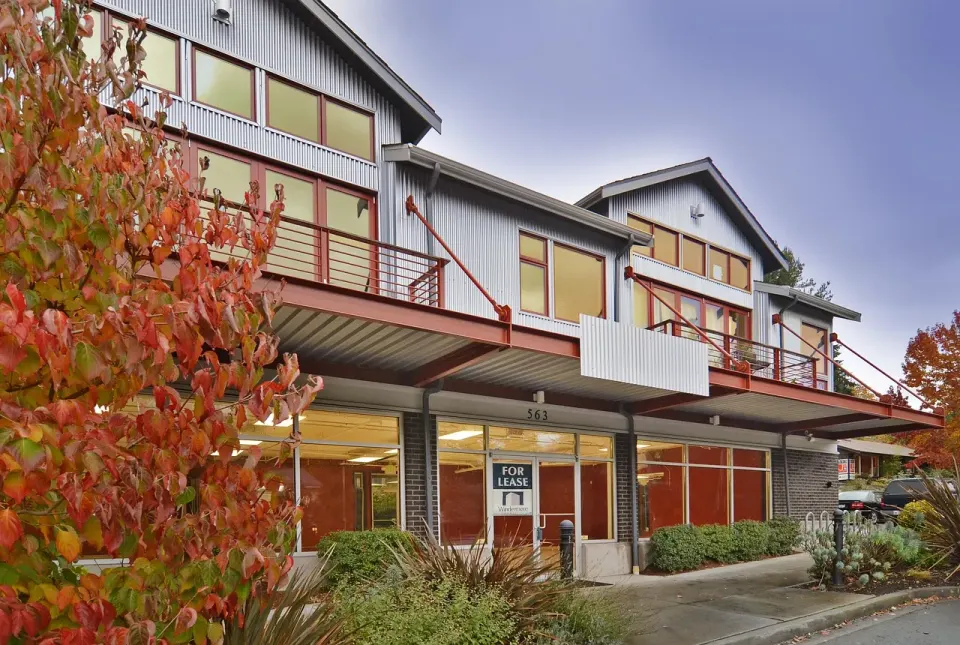
How a tenant rep broker commission is calculated
Most commissions are a percentage of the total base rent over the lease term. A rate somewhere in the range of 4% to 6% of total lease value is a commonly quoted benchmark for a new lease, though it varies by city, deal size and property type. Some markets quote a dollar amount per square foot per year instead.
Here is a worked example. A five-year office lease for 3,000 square feet at $32 per square foot per year carries $96,000 a year in base rent. Over five years, that is $480,000. At a 5% total commission, the landlord would pay $24,000, often split evenly between the two brokers.
The table below shows how the same 5% total commission changes with deal size. The figures are illustrations, not quotes.
| Deal | Total base rent | Total commission at 5% | Tenant rep share at 50% |
|---|---|---|---|
| 1,200 sq ft, 3 years at $28 | $100,800 | $5,040 | $2,520 |
| 3,000 sq ft, 5 years at $32 | $480,000 | $24,000 | $12,000 |
| 8,000 sq ft, 7 years at $38 | $2,128,000 | $106,400 | $53,200 |
The pattern is clear. Small deals pay small fees, which is why some brokers pass on spaces under 2,000 square feet. If your search is that small, expect to look harder for a broker who will take it on.
Timing matters too. Landlords often pay the commission in two parts. A common pattern is half when the lease is signed and half when the tenant moves in or starts paying rent. That schedule gives your tenant rep broker a reason to stay involved through the fit-out and the move, not just until the signatures dry. Ask your broker how the payment is staged on each building you shortlist.
Why renewals and expansions pay differently
Renewals usually pay a lower commission than new leases, often around half. The landlord's view is that a renewing tenant would have stayed anyway. Some landlords refuse to pay an outside broker on a renewal at all, unless the tenant makes clear that it is genuinely touring other buildings.
That matters for strategy. A renewal is where tenant rep brokers earn their fee by creating competition. Our guide to who pays for ADA compliance in a commercial lease shows one of the clauses worth reopening at renewal, when the landlord wants to keep you. A broker who runs a real alternative search can move the rent, the allowance and the clauses together.
Expansions sit in the middle. Taking more space in the same building is usually paid on the new square footage only. If your lease has a right of first offer on a neighboring suite, ask how the commission works before you exercise it.

The incentive problem with percentage commissions
A percentage fee has an obvious flaw. The more rent you agree to pay, the more your broker earns. On the 3,000 square foot example above, every extra dollar per square foot adds $15,000 of rent over five years and about $375 to the tenant rep share. That is not much per dollar, but the direction is wrong.
In practice, a good broker's reputation is worth far more than a few hundred dollars on one deal. Still, the conflict is real in subtler ways. A broker may steer you toward larger space, a longer term or a landlord who pays commissions quickly. None of those are always bad for you, but they deserve a second look.
At New Club Cocoon, we think the fix is transparency rather than suspicion. Ask the broker to tell you, in writing, the commission they expect on each shortlisted building. If one building pays noticeably more, you will know to ask why it keeps appearing at the top of the list. Watch the fit-out allowance too. It is often traded against rent, and our guide to deducting fit-out costs in 2026 shows why its tax treatment matters.
What to put in a tenant representation agreement
A tenant representation agreement is the contract between you and your broker. It sets how long the broker represents you, where, and on what terms. Many tenants sign whatever the broker sends. That is a mistake, because the agreement decides what happens if things go wrong.
These are the terms worth checking before you sign:
- A fixed term, such as six or nine months, with a clean way to end it early.
- A defined market area and property type, so it does not cover every deal you ever do.
- A clear statement that the broker's fee comes from the landlord, with any shortfall spelled out.
- Disclosure of any relationship with landlords on the shortlist, including dual agency.
- A "tail" period after expiry that is short and limited to buildings the broker actually showed you.
The last point catches people out. A tail clause lets the broker claim a fee if you sign within a set time after the agreement ends. Six months on buildings you toured together is reasonable. Twelve months on any building in the city is not.

Check the license before you hire
Commercial real estate brokers must be licensed by the state where they practice. In New York, for example, the Department of State's real estate broker page sets out the licensing steps and notes that a license term runs two years. Every state has a similar regulator.
Most regulators let you look a broker up online in a minute. The California Department of Real Estate (DRE) offers a license check and a complaint process on its consumer page. In Florida, the Department of Business and Professional Regulation license search does the same. A lapsed license or a disciplinary record is a reason to walk away.
It also pays to ask how much tenant work the broker does. Many brokers spend most of their time representing landlords. A broker who mostly lists buildings may be a fine negotiator, but a tenant specialist will know which landlords move on rent and which only move on allowances.
When you might skip a broker
A broker is not always worth it. If you are leasing a small space in a town you know well, the commission may not attract a strong broker anyway. Some landlords will also offer a slightly better rent to a tenant who comes direct, since they save the outside commission. And if you are weighing whether to rent at all, our explainer on when an SBA 504 loan beats renting compares the two.
In that case, lean on free help instead. The Small Business Administration (SBA) funds a network of Small Business Development Centers that offer counseling, often at no charge. The SBA's guide to picking a business location also reminds owners to confirm local zoning before they sign anything.
The practical answer on broker fees
For most tenants, a tenant rep broker costs nothing up front. The landlord pays a commission tied to the size and length of your lease. That fee is real money inside the deal, so treat it like any other term you negotiate.
Hire a licensed broker who does mostly tenant work. Sign a short, specific representation agreement. Ask for the expected commission on each building in writing. New Club Cocoon's rule of thumb is simple: if a broker will not tell you how they get paid, find one who will.
Do I have to pay a tenant rep broker out of my own pocket?
How much commission does a tenant rep broker earn on a lease?
What is a tail clause in a tenant representation agreement?
How can I check that a commercial real estate broker is licensed?
Keep reading
All stories ↗ ADA compliance in a commercial lease: who actually pays Landlord and tenant are both on the hook under federal law. The lease only decides who reimburses whom, so read that clause before the rent schedule. By Maya Ferrante — 8 min
 What a ten-year lease really costs The rate on the listing is the smallest number in the deal, and a decade of additional rent, fit-out and exit costs can roughly double it. By Maya Ferrante — 8 min
 How to negotiate a lease renewal when you have no plans to leave Staying put is usually the landlord’s best outcome too, and a sitting tenant who starts early has more leverage than they think. By Omar Saleh — 5 min
 Next in the index — 02 / 19 Leasing — 7 min
Lease or buy: when an SBA 504 loan beats renting

The Monday memo · free
Subscribe for the Monday memo
One long read, three clauses worth knowing and a note on the market, every Monday morning.
( Tap to say yes )