How to Protect a Tenant Build-Out Budget as Construction Input Prices Rise 11.2%
Construction input prices were up 11.2% from a year earlier in September 2026. Here is how a tenant can lock quotes, cap escalation and size contingency before signing a build-out contract.
- Words
- Colm Brady
- Filed
- Read
- 7 min
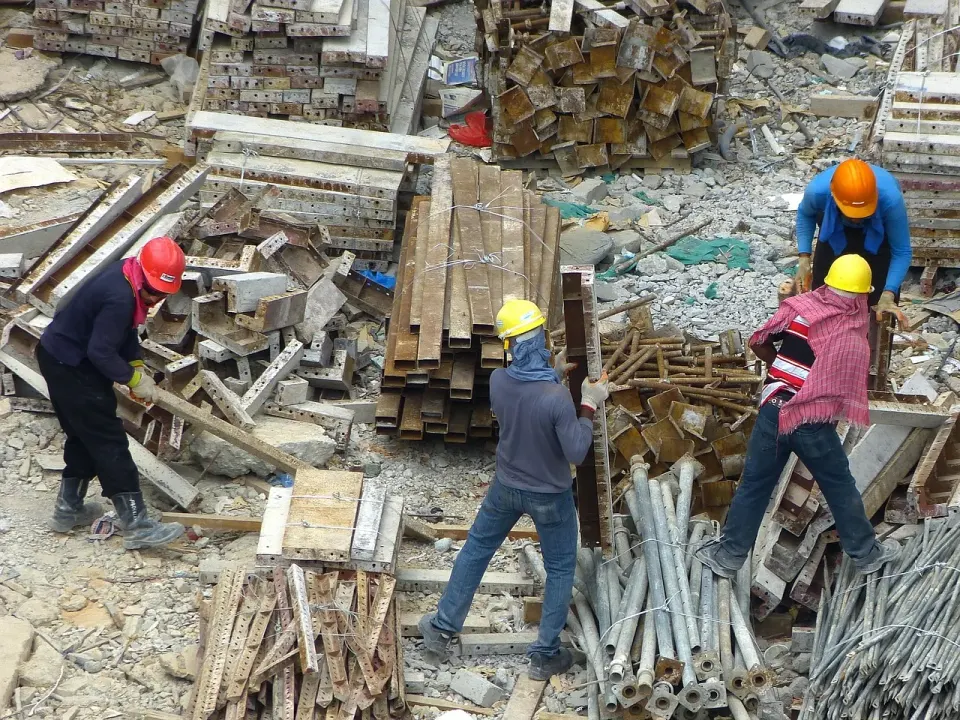
To protect a tenant build-out budget when construction input prices rise 11.2 percent a year, lock the contractor's quote with a firm expiry date, cap price escalation in the contract, buy long-lead items early, and carry a contingency of at least 10 to 15 percent. Ask who bears any price change before you sign.
The Associated Builders and Contractors (ABC) analysis of Bureau of Labor Statistics producer price data found overall construction input prices up 2.2 percent in September 2026 and 11.2 percent from September 2025. Nonresidential inputs rose 2.3 percent in the month and 11.2 percent for the year. ABC's chief economist, Anirban Basu, called it the largest annual increase in nearly four years in ABC's October 15 release.
This guide is for business owners and small landlords who are about to sign a fit-out contract and want the numbers first. It covers what moved, what it does to a budget, and the contract terms that decide who pays. New Club Cocoon covers commercial property and leasing, and the checklist below follows how fit-out quotes are actually read: line by line, with a name next to each risk.
What Did Construction Input Prices Do in September 2026?

They jumped. ABC reports that overall construction input prices rose 2.2 percent in September from August and 11.2 percent from a year earlier. Crude petroleum was up 28.3 percent year over year, and unprocessed energy materials were up 22.2 percent. Basu attributed a large share of the increase to higher fuel prices tied to the conflict in Iran, and said tariffed materials such as iron, copper and other metal products continue to rise quickly.
The August release, which reported an 8.9 percent annual rise, named iron and steel, softwood lumber, switchgear, copper wire and cable, and several derivative metal products as up more than 10 percent year over year. Those are the materials behind electrical rooms, framing, ductwork and wiring, so they show up in almost every tenant build-out.
The ABC Construction Confidence Index adds a second signal. More than one in four ABC contractors expect their profit margins to contract over the next six months. Contractors under margin pressure will try to move price risk to you, so your contract has to say where it sits. The Bureau of Labor Statistics publishes the underlying Producer Price Index if you want to track it yourself.
How Much Could an 11.2% Increase Add to a Build-Out Budget?
Apply the percentage to the share of the budget that is materials and subcontracted trades. Labor-heavy items move less. On a $600,000 build-out, a full 11.2 percent move is about $67,000. If half the budget is exposed to material prices, the hit is closer to $34,000.
Take a worked example. A 4,000-square-foot office at $150 a square foot is a $600,000 project. Suppose 60 percent is materials and trade contracts that track input prices. Then $360,000 times 11.2 percent is about $40,300 of added exposure. Your landlord's allowance, if you have one, is usually a fixed dollar amount, so the gap falls on you.
| Build-out budget | Share exposed to input prices | Exposure at 11.2% |
|---|---|---|
| $300,000 | 60% | $20,160 |
| $600,000 | 60% | $40,320 |
| $1,000,000 | 60% | $67,200 |
These are illustrations, not forecasts. Prices may rise further, ease or stay put, and your project's mix will differ. Our guide on budgeting an office fit-out in 2026 shows the per-square-foot baselines to start from before you add an escalation line.
How Do You Lock a Contractor's Quote and Cap Escalation?

Put the expiry date and the escalation rules in writing, and read both before you sign. A quote that does not say how long the price holds is an invitation to a revised number after you have committed the lease. Ask for at least 30 days of validity, and longer if lease negotiations may run past that.
Work through this checklist with the contractor.
- Ask for a quote expiry date in writing, and diary it.
- Ask whether the price is a guaranteed maximum price, a fixed lump sum or cost-plus. Only the first two cap your exposure.
- If escalation is allowed, tie it to a named index, set a cap such as 3 to 5 percent, and name the start date.
- Ask which materials are priced firm and which are allowances.
- Ask what happens to price if the start date slips because of permits or the landlord's work.
- Ask for the contractor's backup plan if a named product becomes unavailable.
Cost-plus contracts are not wrong. They suit uncertain scopes. But in a rising market they put the whole price risk on the tenant, so pair them with a cap, an approval step for each purchase and an open-book audit right. A guaranteed maximum price with a shared-savings clause is often the better trade for a fixed scope.
Which Build-Out Items Should You Buy Early?
Order the long-lead and fast-moving items first, especially electrical gear and metals. Switchgear, panels, copper wire and cable, and steel framing sit on ABC's list of materials up more than 10 percent. Early orders lock the price and protect the schedule, but they cost cash up front and carry storage risk.
Ask the contractor for a long-lead list at the start. Each line should show the lead time, the price, the supplier's price-hold period and who owns the item once it is paid for. Get that last point in writing. If a contractor fails, you need to know whether you own the gear or are just a creditor.
Not everything should be bought early. Finish materials chosen late in design, such as flooring or fixtures, are risky to lock before the design is final. Buy only what is certain, and leave the rest to the quote's validity window.
How Big Should a Build-Out Contingency Be Right Now?
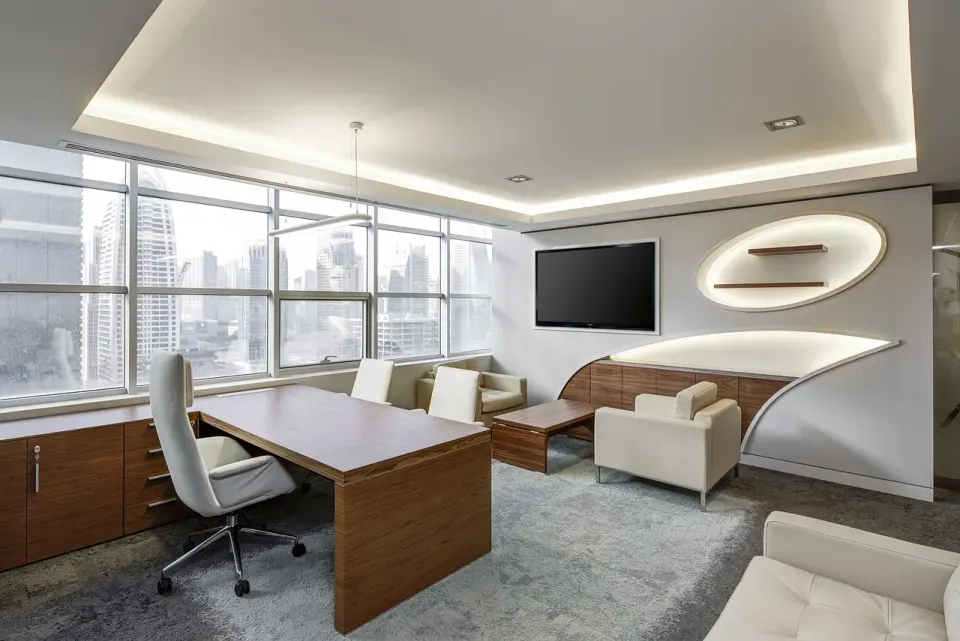
Carry 10 to 15 percent on a tenant build-out in this market, and more on older buildings with unknowns behind the walls. A fit-out with a clean scope and a firm price can sit at the lower end. A project with existing conditions, a tight schedule or unsettled drawings belongs at the high end.
The key is control. Write down who can spend the contingency and for what. A common rule is that the tenant approves every draw, in writing, with a reason. That keeps contingency from turning into extra scope.
Keep the money in the right bucket, too. Price escalation, design changes and unforeseen conditions should be tracked separately, so you can see what actually ate the reserve. If you are lining up financing, share that breakdown with the lender. The U.S. Small Business Administration (SBA) offers a worksheet-style guide to calculating startup costs that can help you check that nothing is missing.
What Does Rising Construction Cost Mean for Lease Negotiations?
It means the tenant improvement allowance and the free-rent period matter more. A landlord's allowance is typically a fixed dollar amount per square foot. If costs rise 11 percent and the allowance does not, you cover the gap. Negotiate the allowance with the current cost in mind, not last year's.
In tight markets, landlords have less reason to give more. Our look at leasing retail space as vacancy falls to 4.3 percent explains why retail tenants have less leverage. Office space is the opposite: with office vacancy at 18.2 percent, a tenant can ask for a bigger allowance or more free rent.
Ask for a rent-commencement date tied to completion of the landlord's work and your permits, not to a fixed calendar date. If price increases delay your start, you should not pay rent on a space you cannot use. Add a clause that moves the date if the landlord's own work slips.
How Do Tax Rules Affect the Cost of a Build-Out?
Tax treatment can offset part of the cost, but it does not remove the cash outlay. Some improvements to the interior of a nonresidential building can be depreciated or expensed under rules that depend on the type of improvement and the year. The Internal Revenue Service (IRS) explains depreciation in Publication 946, and our guide on how to deduct fit-out costs in 2026 walks through the main options.
The point for budgeting is timing. A higher price gives a larger deduction, but you still pay the contractor first. Do not count the tax saving as a source of project funding. Ask your accountant how the build-out will be classified before you finalize the contract, not after.
New Club Cocoon editors recommend a one-page budget sheet that shows, for every major line, the price, the date it is held to, the escalation rule and who owns the risk. If you cannot fill in a cell, that line is where the surprise will come from.
Conclusion
An 11.2 percent annual rise in construction input prices turns an ordinary build-out into a risk-management exercise. Lock the quote, cap escalation, order long-lead items early, hold a real contingency and negotiate the allowance with today's costs in mind.
Your next step is to open your current contractor quote and find three things: the expiry date, the escalation clause and the contingency line. If any is missing, ask for it in writing before you sign.
How much have construction input prices risen in 2026?
What is a guaranteed maximum price in a build-out contract?
How much contingency should a tenant carry on a build-out?
Does the landlord's tenant improvement allowance rise with costs?
Keep reading
All stories ↗ Building Performance Standards in 2026 and 2027: What Commercial Tenants Should Check in a Lease and Fit-Out Energy and emissions rules for large buildings hit deadlines from D.C. to Washington State and New Orleans. The owner is fined, but tenants often end up paying through the lease and the fit-out. By Colm Brady — 8 min
 How to Budget an Office Fit-Out in 2026 as Costs Near $300 a Square Foot JLL says North American fit-out costs now average $295 per square foot and warns against waiting for prices to fall. Here is how a small tenant builds a realistic budget. By Colm Brady — 7 min
 How to deduct fit-out costs in 2026 Interior build-out work can usually be written off in year one under the restored 100% bonus depreciation. Exterior work and landlord-funded work cannot. By Colm Brady — 7 min
 Next in the index — 02 / 25 Leasing — 7 min
Industrial Vacancy Is Near 6.5%: How a Small Business Should Lease Warehouse or Flex Space

The Monday memo · free
Subscribe for the Monday memo
One long read, three clauses worth knowing and a note on the market, every Monday morning.
( Tap to say yes )