Building Performance Standards in 2026 and 2027: What Commercial Tenants Should Check in a Lease and Fit-Out
Energy and emissions rules for large buildings hit deadlines from D.C. to Washington State and New Orleans. The owner is fined, but tenants often end up paying through the lease and the fit-out.
- Words
- Colm Brady
- Filed
- Read
- 8 min

Building performance standards are local or state rules that require large buildings to report energy use and cut energy or emissions by set dates. The owner is fined for missing them, but tenants can pay through operating expense pass-throughs, data requests and fit-out requirements, so check three lease clauses before you sign or renew.
Several deadlines land around the turn of the year. A tracker from Facilities Dive, updated on October 5, 2026, lists the first performance cycle in Washington, D.C. ending December 31, 2026, with end-of-cycle benchmarking due May 1, 2027. It also lists New Orleans properties of 20,000 square feet or more entering compliance on January 1, 2027, and Seattle's first performance deadline for buildings over 90,000 square feet on October 1, 2027.
This guide is for business owners leasing office, retail or flex space, and for small landlords who want to know what tenants will ask. It explains where the cost can land, what to look for in a lease and what to coordinate with your fit-out. New Club Cocoon covers commercial property and leasing, and this column asks the question we ask of every quote: who pays, and when. It is general information, not legal advice, and the rules change by city.
What Are Building Performance Standards, and Who Do They Cover?
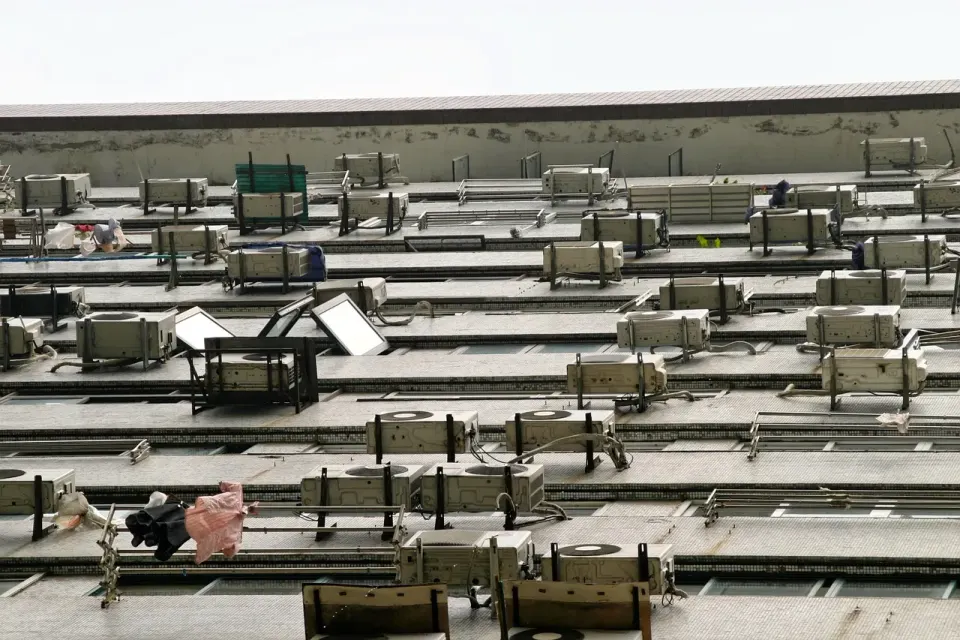
They are rules, usually set by a city or state, that require covered buildings to measure and report energy use and often to meet a target. The threshold is based on building size. Facilities Dive's tracker covers states and municipalities with populations of 100,000 or more, and the thresholds vary from about 20,000 to 100,000 square feet or more.
Washington State's Clean Buildings Performance Standard, described on the state Department of Commerce page, shows how the tiers work. Tier 1 deadlines run from June 1, 2026 for buildings over 220,000 square feet to June 1, 2028 for buildings over 50,000 and up to 90,000. Tier 2 buildings, from 20,000 to 50,000 square feet, report by July 1, 2027.
The Commerce page states that penalties are assessed at a maximum of $5,000 plus $1.50 per square foot of gross floor area for a building without an approved compliance or exemption application. On a 100,000-square-foot building, that is $155,000. Owners hear that number, and they look for ways to manage it.
Which Deadlines Fall in 2026 and 2027?
Several land in the next 14 months. The table lists examples from the Facilities Dive tracker. Dates and thresholds change, so use it as a pointer to the local rule and not as a compliance guide.
| Place | Milestone | Date |
|---|---|---|
| Washington, D.C. | BEPS Cycle One ends; benchmarking due May 1, 2027 | December 31, 2026 |
| Lakewood, Colorado | First benchmarking report | December 31, 2026 |
| New Orleans | Properties of 20,000 sq ft or more enter compliance | January 1, 2027 |
| Washington State | Tier 2 reporting (20,001 to 50,000 sq ft) | July 1, 2027 |
| Seattle | First performance deadline, buildings over 90,000 sq ft | October 1, 2027 |
The tracker also lists penalties that give a sense of scale. New York's Local Law 97 carries up to $268 per ton of carbon dioxide equivalent over the annual allowance. Boston's ordinance carries $1,000 a day for missing emissions standards. Colorado, by contrast, removed its 2026 penalties and moved its reporting window to July 1 through November 1.
How Do Building Performance Standards Reach a Tenant's Wallet?
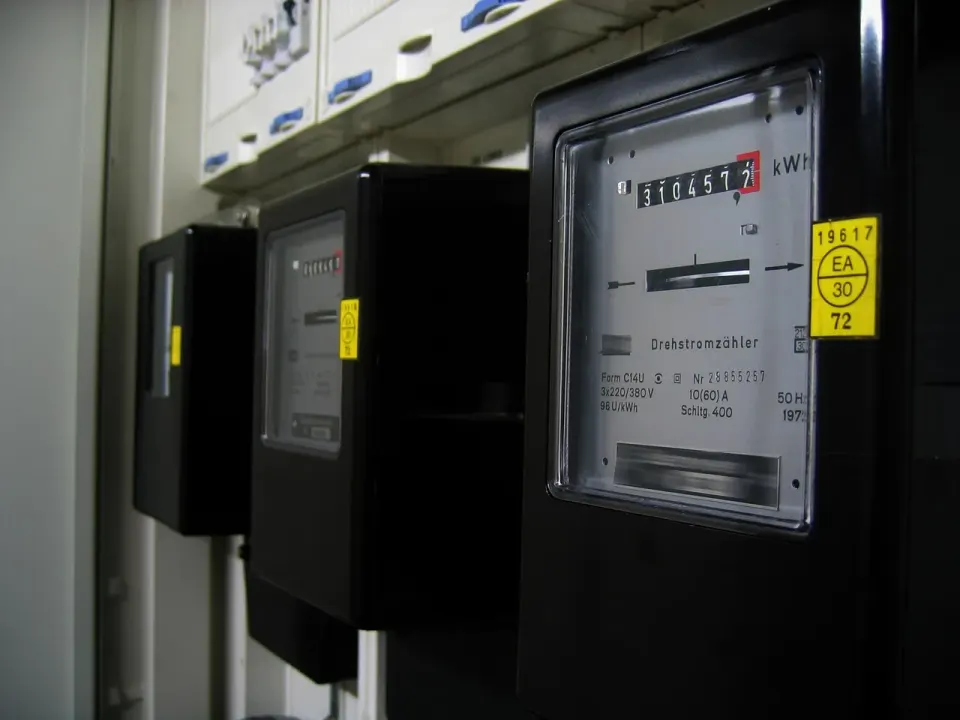
Through three channels: operating expense pass-throughs, data and cooperation requests, and tenant alterations. Each sits in a different part of the lease, so you have to read the whole document, not just the rent page.
The first is the pass-through. In a triple net lease, tenants pay a share of operating expenses. If the owner replaces rooftop units or installs controls to meet a standard, the lease decides whether that capital cost is passed on, over what period and with what cap. Our look at leasing industrial space explains how triple net charges build up.
The second is data. Benchmarking needs whole-building energy data, and the owner may need your submeter data or access to your utility account. The third is alterations. A fit-out that adds electric heat, a server room or a commercial kitchen changes the building's load, and a landlord may want a say.
Which Lease Clauses Should You Check First?
Check capital improvement pass-throughs, utility data access and the alterations clause. If your lease is in a covered building, ask the landlord directly whether the building is subject to a standard and which compliance year applies. Put the answers in writing.
Use this checklist when you read the lease.
- Capital expenditures: does the operating expense definition allow capital costs, and are compliance retrofits included? Look for amortization over the useful life, not a full charge in one year.
- Caps: is there a cap on controllable expenses or total pass-throughs? Ask whether compliance costs are carved out of the cap.
- Data sharing: are you required to give the landlord utility data or access? Ask for a confidentiality clause and a reasonable notice period.
- Compliance cooperation: are you required to allow audits or equipment upgrades in your space? Ask for notice and limits on disruption.
- Alterations: does the landlord have approval rights over lighting, HVAC and electrical work? Ask for a response deadline.
- Fines: who pays if the building is fined because of your use? Make sure the language is specific.
A tenant improvement allowance is not a compliance budget. If the landlord wants a certain lighting or controls spec in your space, ask whether it is included in the allowance or paid for by the landlord. Our explainer on negotiating an office lease at 18.2 percent vacancy covers how much leverage tenants have right now.
How Do Fit-Out Choices Affect a Building's Performance?

Lighting, HVAC and electrical decisions change the building's energy use, and they are the easiest items to get right on day one. LED lighting with controls, right-sized ventilation and efficient equipment lower the load. The U.S. Environmental Protection Agency's ENERGY STAR benchmarking program is the tool many jurisdictions use to measure whole-building performance.
Ask your contractor to price an efficient option beside the standard one, so you can see the premium. Efficient equipment can cost more up front, and costs are rising: our piece on protecting a build-out budget as input prices rise 11.2 percent shows how to handle quote validity and escalation.
Also ask about incentives. Some utilities and local programs offer rebates for efficient lighting and controls, and some improvements may have tax treatment worth asking your accountant about. Our guide on how to deduct fit-out costs in 2026 covers the basics. Do not count on an incentive until you have confirmed it applies to a leased space and who may claim it.
What Should You Ask a Landlord Before You Sign?
Ask five plain questions. Is the building covered by a performance standard? What is the first compliance year? Has the owner already planned retrofits? Will compliance costs be passed through, and how? Who owns and submits the energy data?

A landlord who has a clear answer is easier to deal with than one who says "we'll see." If the building is covered and the owner has no plan, expect capital projects in the next few years and negotiate protection now, such as a cap on capital pass-throughs or a clause that spreads costs over the equipment's life.
If the building is under the size threshold, ask about the local rules anyway. Some places phase in lower thresholds over time, and a lease that runs five or ten years may outlast the exemption. Write the answer into your notes, with the date.
How Should Tenants Handle Energy Data Requests?
Respond, but set terms. Owners usually need whole-building data to benchmark, and many jurisdictions let them collect it from the utility. Where the tenant pays its own electric bill, the owner may ask for your account details or monthly usage. Say yes in writing, and limit the use to compliance.
Ask for three protections. First, confidentiality: your usage data should not be shared beyond what the rule requires. Second, notice: a reasonable window to respond before the reporting deadline. Third, a cost rule: you should not pay for a consultant or a meter upgrade unless the lease says so.
Keep a copy of every request and your reply. If the owner is fined for missing data, a clear record shows you cooperated, which protects you from an argument about who caused the delay.
What Should Small Commercial Landlords Do?
Know your threshold and your date. A small landlord with a building near the size limit should check the local program, confirm whether benchmarking is required and decide how compliance costs will be handled in new leases. Tenants will ask, and a clear lease clause beats a dispute.
Keep records. Utility bills, equipment lists and maintenance logs make benchmarking easier, and they are the evidence you need if a regulator asks. At New Club Cocoon, we suggest a one-page building file with the size, the covered status, the compliance year and the owner's plan, kept with the lease files.
Conclusion
Building performance standards put the legal duty on owners, but leases decide who pays. Check capital pass-throughs, data sharing and alteration approval before you sign. Ask each landlord whether the building is covered and what the plan is.
Your next step is to find out whether your building is in a covered jurisdiction and above its threshold. Then read the operating expense definition in your lease with that answer in mind.
What is a building performance standard?
Can a landlord pass building performance standard costs to tenants?
What are the penalties for missing a building performance standard?
Do small buildings have to comply with these standards?
Keep reading
All stories ↗ How to Protect a Tenant Build-Out Budget as Construction Input Prices Rise 11.2% Construction input prices were up 11.2% from a year earlier in September 2026. Here is how a tenant can lock quotes, cap escalation and size contingency before signing a build-out contract. By Colm Brady — 7 min
 How to Budget an Office Fit-Out in 2026 as Costs Near $300 a Square Foot JLL says North American fit-out costs now average $295 per square foot and warns against waiting for prices to fall. Here is how a small tenant builds a realistic budget. By Colm Brady — 7 min
 How to deduct fit-out costs in 2026 Interior build-out work can usually be written off in year one under the restored 100% bonus depreciation. Exterior work and landlord-funded work cannot. By Colm Brady — 7 min
 Next in the index — 04 / 25 Leasing — 7 min
Retail Vacancy Falls to 4.3%: How a Small Retailer Should Lease in a Tight Market
The Monday memo · free
Subscribe for the Monday memo
One long read, three clauses worth knowing and a note on the market, every Monday morning.
( Tap to say yes )