How to Budget an Office Fit-Out in 2026 as Costs Near $300 a Square Foot
JLL says North American fit-out costs now average $295 per square foot and warns against waiting for prices to fall. Here is how a small tenant builds a realistic budget.
- Words
- Colm Brady
- Filed
- Read
- 7 min

JLL's 2026 fit-out guide puts the North American average cost for a medium-quality corporate office at $295 per square foot. A small tenant should budget by line item, add a 10 to 15 percent contingency, negotiate a landlord allowance, simplify the layout and avoid waiting for prices to fall.
New Club Cocoon covers commercial property and leasing, including the build-out work that tenants often underestimate. This guide is for business owners who have signed or are about to sign a lease on 1,000 to 10,000 square feet and need a first budget. It covers the market numbers, the main cost drivers, a line-item approach and ways to cut cost without hurting the result.
What does an office fit-out cost in 2026?
An office fit-out costs about $295 per square foot in North America for a medium-quality space, according to JLL's 2026 guide. As reported in a CommercialSearch summary, JLL's global benchmark is $205 per square foot, and North America is the most expensive region. New York, San Francisco and Boston are the three most expensive cities.
Costs rose 2 to 6 percent over the past year, based on JLL's Q1 2026 data from 68 cities. Cushman & Wakefield's separate Americas guide reported a lower average of $149 per square foot, up 5.5 percent. The firms use different methods and samples, so do not blend their numbers. Treat them as a range.
The range is wide because a fit-out can mean very different work. A cosmetic refresh of an existing office costs far less than a full build-out of a shell. A small tenant taking second-generation space, which already has walls, ceilings and bathrooms, often lands well below the average.
Region matters too. JLL describes Chicago and Seattle as mid-range, and Sun Belt markets such as Dallas and Atlanta as the most competitive, thanks to larger, more flexible labor pools. Ask local contractors for current prices.
What drives the cost?
Building systems and labor drive most of the cost. JLL's analysis, reported by the Mortgage Bankers Association's NewsLink, says mechanical and electrical services are about 29 percent of a typical fit-out, and security, IT and AV add about 10 percent. Technology-related systems therefore make up nearly 40 percent of the total.
The CommercialSearch summary adds that rising copper prices affect mechanical and electrical services. Geopolitical instability, energy prices and skilled labor shortages also play a part. JLL says material prices have stabilized, but labor and complexity keep costs high.
The Bureau of Labor Statistics gives a useful reality check. Its Producer Price Index page shows that the final demand index rose 1.3 percent in September 2026, while the final demand construction index was unchanged. Prices are not falling, but they were flat for that month.
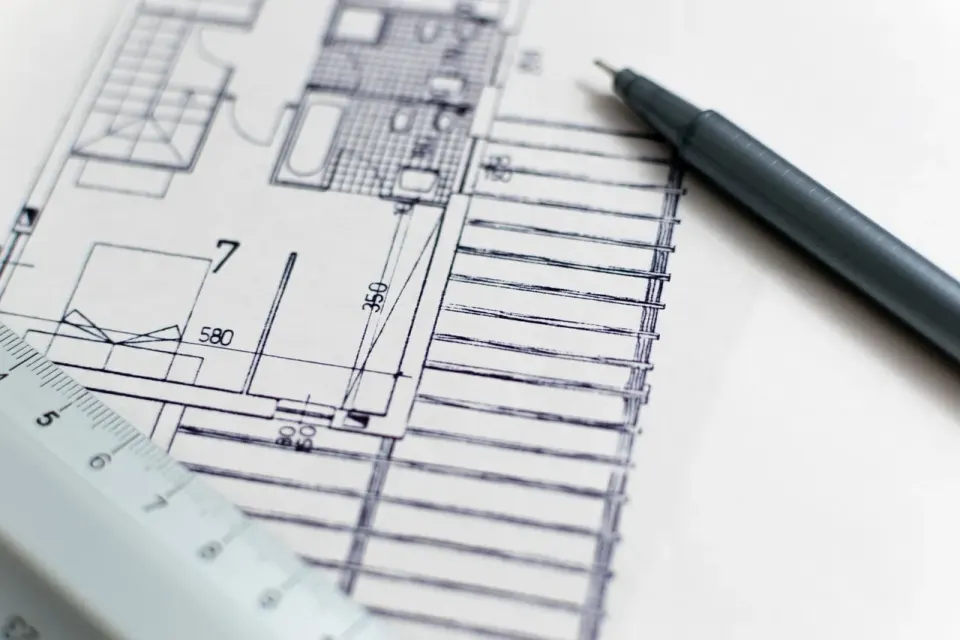
For a small tenant, the practical point is this: the cost sits in electrical, data, HVAC and labor. Reducing the amount of new wiring and ductwork saves more than choosing cheaper carpet.
How do you build a line-item budget?
Build the budget from the bottom up, with a line for each trade and a separate contingency. A rough single number per square foot hides the details that drive your final bill. Ask your contractor or a project manager to price each line against the same drawings.
| Budget line | What it covers | Notes |
|---|---|---|
| Design and permits | Architect, engineering, city fees | Often 8% to 12% of hard costs |
| Demolition and framing | Walls, ceilings, doors | Depends on how much changes |
| Mechanical and electrical | HVAC, lighting, power, data | About 29% of a typical fit-out per JLL |
| Security, IT and AV | Access control, cabling, screens | About 10% per JLL |
| Finishes | Flooring, paint, millwork | Easiest area to trim |
| Furniture and moving | Desks, chairs, relocation | Often outside the allowance |
| Contingency | Surprises and changes | 10% to 15% of the total |
The percentages for design and permits are common rules of thumb rather than published figures, so ask for real quotes. Add the contingency to the whole budget. Hidden conditions, such as old wiring behind a ceiling, show up once work begins.
Also add the soft costs people forget: rent during the build, double rent if you overlap with your old space and the cost of lost days at the office. These can rival a major trade line.
How do you use the landlord's allowance?
The tenant improvement allowance is money the landlord contributes toward your build-out, usually stated per square foot. Negotiate it as part of the lease, since it can cover a large share of costs. The details matter: what the allowance covers, when it is paid and who manages the work.
Ask five questions. Does it cover soft costs and furniture or only hard construction? Is it paid up front, in stages or after you open? Does it need a certain contractor? What happens to unused money? What is the deadline to claim it?
Our companion piece on market conditions, how to negotiate an office lease as vacancy falls to 18.2%, shows where tenants can win a bigger allowance. A landlord with empty space often gives more allowance than rent cut. If a broker helps, check the fee structure in our guide to tenant rep broker fees and who pays.
The tax side matters as well. Read our explainer on how to deduct fit-out costs in 2026 before you decide how to pay for the work, since the treatment of landlord-funded and tenant-funded costs can differ.
How can you cut cost without cutting corners?
The best savings come from design decisions made early. JLL says layout typology alone can vary costs by 10 to 13 percent, before finish quality is considered, and that in New York and San Francisco, typology and specification choices can move project costs by more than 25 percent.
- Reuse what exists: keep ceilings, lighting and ductwork where they still work.
- Simplify the layout: fewer private offices and walls lower framing and electrical work.
- Spend on what clients see: invest in the reception area and meeting room, and keep back-of-house plain.
- Bid it properly: get at least three bids on the same drawings and scope.
- Lock the scope: late changes cost more than early ones.
Do not cut safety or accessibility to save money. Code-required work and accessibility upgrades can cost far more to fix later than to build correctly. See our guide on ADA compliance in a commercial lease and who pays.
What timeline should you plan for?
Plan for the build-out to take longer than the contractor's first estimate. A small suite can take eight to sixteen weeks from signed drawings to move-in, depending on permits, long-lead items and trades. Ask each bidder for a schedule, not just a price.
Work back from your lease start or expiry date. If your old lease ends on a fixed date, add a buffer of several weeks for delays. A holdover at your old space can carry a penalty rent of 150 percent or more, so a late build can cost far more than the delay itself.
Order long-lead items early. Electrical gear, glass partitions and custom millwork can take weeks to arrive. Ask the contractor to list every item with a long lead time and the date by which you must approve it.
Finally, schedule the move around the build. Book movers and IT cabling together with the contractor, so desks and phones work on day one. A good project manager will keep one calendar for all trades.
What should be in the contractor agreement?
The agreement should state the scope, price, schedule, payment terms and what happens when things change. Insist on a written change-order process, so that no extra work is done without your signed approval and a price. Verbal changes cause many disputes.
Check insurance and licenses. Ask for proof of general liability and workers' compensation coverage, and confirm the contractor is licensed where required. Your landlord will likely demand certificates as well.
Hold back a retainage, often 5 to 10 percent, until the punch list is finished. A punch list is the final list of small fixes. Holding back some payment keeps the contractor motivated to finish.
Should you wait for prices to drop?
JLL says no. Its analysis finds that trade and labor cost impacts will compound faster than any relief from interest rates. JLL's Louis Molinini said that clients holding out for costs to come down before committing to a project are taking a real risk.
That fits the supply picture. JLL notes that office availability has fallen for seven consecutive U.S. quarters and the construction pipeline is at historic lows. Occupiers are competing for limited high-quality space, which makes renovation and fit-outs the main route to suitable space.
A small tenant should not treat that as a push to overspend. It is a reason to lock in a contractor and price early, once the lease terms are set. If your lease gives you free rent during the build, use that window and avoid delays.
The practical answer
Budget by line item, not by an average, and expect the building systems to be the biggest cost. New Club Cocoon's editors recommend a 10 to 15 percent contingency, a negotiated allowance and a simple layout. Start pricing as soon as you sign, since waiting rarely lowers the bill.
Your next step is to ask two contractors to price the same drawings, line by line, and compare the totals to the allowance on offer.
How much does an office fit-out cost per square foot in 2026?
What drives office fit-out costs the most?
Should I wait for fit-out costs to fall before building out?
How can I lower my fit-out cost without cutting quality?
Keep reading
All stories ↗ How to deduct fit-out costs in 2026 Interior build-out work can usually be written off in year one under the restored 100% bonus depreciation. Exterior work and landlord-funded work cannot. By Colm Brady — 7 min
 Six weeks to fit out a corner café The build took six weeks because the hard part, the drawings, approvals and orders, happened in the four months before anyone picked up a tool. By Colm Brady — 5 min
 Make good: the bill that arrives when you leave Restoration clauses sit quietly in a lease for years, then turn into a five-figure invoice in the final month unless you deal with them early. By Colm Brady — 4 min
 Next in the index — 04 / 22 Leasing — 7 min
Tenant rep broker fees: who pays and how much


The Monday memo · free
Subscribe for the Monday memo
One long read, three clauses worth knowing and a note on the market, every Monday morning.
( Tap to say yes )