Office Occupancy Data in 2026: How a Small Tenant Can Right-Size Space Before Renewal
Eight to twelve weeks of badge or desk-booking counts can turn a vague feeling about empty desks into a seat target and a smaller, shorter lease.
- Words
- Omar Saleh
- Filed
- Read
- 7 min

Office occupancy data shows how many desks your team actually uses on its busiest day. Pull eight to twelve weeks of badge, desk-booking or Wi-Fi counts, find the peak-day headcount, and size your renewal around that number plus a buffer. Do it before the landlord's renewal letter arrives, because the data becomes your leverage.
This how-to is for owners and office managers with 10 to 100 staff who are within 18 months of a lease expiry. It covers what to measure, how to turn counts into square feet, and how to use the result in a negotiation. New Club Cocoon tracks proptech tools from the tenant's side, so the focus is on what the data lets you ask for.
What Does Office Occupancy Data Actually Measure?
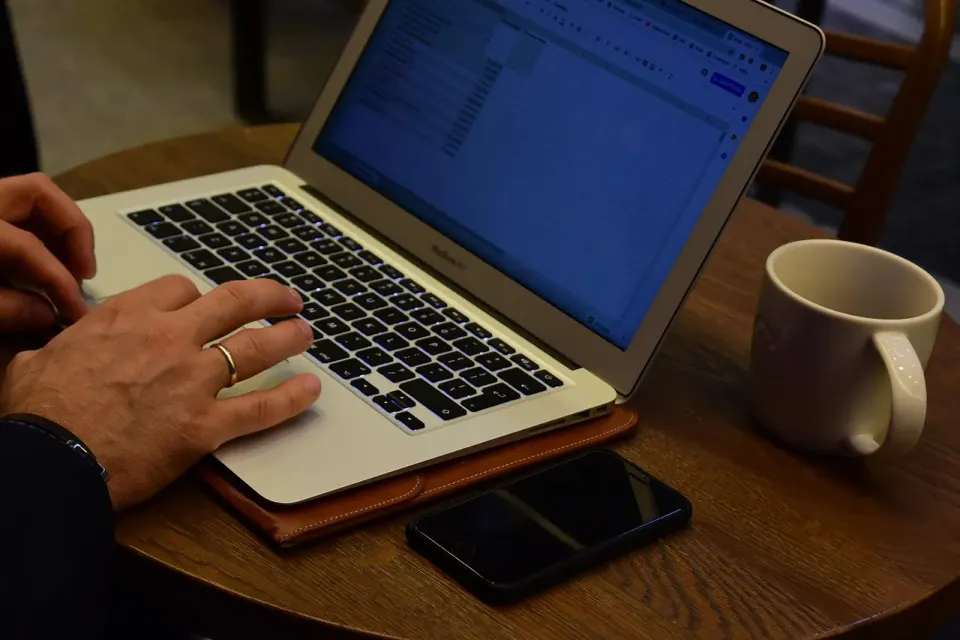
Occupancy data counts how many people use a space and when. Small offices usually get it from one of four places: door-access or badge logs, desk and room booking software, Wi-Fi connection counts and people-counting sensors. Each one is a proxy for presence, and each has a blind spot.
Badge logs miss visitors and anyone who holds the door. Booking tools miss people who sit down without booking. Wi-Fi counts include phones left on a desk. A good read comes from comparing two sources for the same weeks, such as badge swipes against booked desks.
Public benchmarks give context for your own numbers. The Kastle Back to Work Barometer tracks key-card entries in ten metro areas against a pre-pandemic baseline. In its latest weekly update, the peak day was Wednesday, November 4, at 65.3 percent across all building classes. Kastle says the figures are not a national statistical sample, so treat them as a rough reference.
Why Peak-Day Attendance Matters More Than the Average

Hybrid schedules cluster. Most teams bunch their office days in the middle of the week, so the average across five days understates what you need. If Wednesday brings 17 people and Friday brings 5, an average near 11 will leave you short on the day that counts.
The Bureau of Labor Statistics (BLS) explains the underlying shift. Its Economics Daily report on telework found that 22.6 percent of workers teleworked or worked at home for pay in March 2026. That is a national figure, so your own staff may be higher or lower.
Look for the pattern in your own logs. Record the highest single-day headcount in each week, then take the median of those weekly peaks. That median, not the one record-breaking day, is the number to plan around. A one-off all-hands day is a room-booking problem, not a lease-size problem.
How Much Office Space Does a Small Team Need?
Start with a seat count, then convert it to square feet. Take your median weekly peak, add a buffer of about 15 percent for growth and visitors, and round up. That is your seat target.
For a conversion factor, use a public benchmark. A Government Accountability Office (GAO) report on federal buildings notes that the General Services Administration (GSA) recommends 150 to 200 square feet of office space per person. It also describes the Department of Commerce comparing its offices with a 170 square foot rate. Those figures cover desks, circulation and shared rooms, so they are a sanity check and not a design spec.
Here is a worked example. Say a 30-person firm leases 6,000 square feet at $38 per square foot, or $228,000 a year. Ten weeks of badge data show a median weekly peak of 17 people. Add 15 percent and round up to 20 seats.
| Scenario | Seats | Square feet at 170 per seat | Annual rent at $38 |
|---|---|---|---|
| Current lease | 30 staff | 6,000 (actual) | $228,000 |
| Middle option | 25 | 4,250 | $161,500 |
| Sized to peak plus buffer | 20 | 3,400 | $129,200 |
Sizing to peak plus buffer saves $98,800 a year, or about 43 percent of current rent. Over a five-year term that is $494,000 before moving and fit-out costs. The table assumes shared desks, so confirm the layout with an architect or broker before you commit.
A small overflow need does not require a bigger lease. Our look at flex office against a traditional lease shows what ten desks cost when you rent the extra days instead of the extra floor.
How Do You Collect Eight to Twelve Weeks of Clean Data?
Run a short, structured pilot. Follow these steps in order.
- Pick two sources, such as door logs and desk bookings, and export both weekly.
- Strip names and keep only date, time and a headcount.
- Log the weeks that include holidays, trade shows or office closures, then exclude them.
- Record each week's highest single-day headcount and the room-booking hours.
- Check the two sources against each other and note any gap above 15 percent.
- Repeat for at least eight weeks, so a few odd weeks cannot skew the result.
Privacy needs a plan before the pilot starts. Tell staff what you collect, why you collect it and how long you keep it. Counts of desk-days answer the lease question, while named attendance records create risk and add nothing. Ask an employment lawyer about notice rules in your state if badge data is tied to individuals.
Which Occupancy Tools Are Worth Paying For?
Start with what you already own. Most door-access systems can export a log by date, and many small offices never ask. That export costs nothing and covers most of what a lease decision needs.
Desk-booking software is the next step up. It shows who plans to come in, not just who showed up, which helps when a team is still settling its schedule. Ask any vendor for a pilot of 60 days or less and a plain data export, so you can leave with your numbers if you cancel.
People-counting sensors are the last resort. They add hardware and a service contract, and they make sense mainly for larger floors with several entrances. For a single suite under 10,000 square feet, a badge log and a booking tool usually tell the same story.
Four Mistakes That Skew the Result
Most bad conclusions come from the same few errors. Avoid these and your numbers will hold up in front of a landlord.
- Measuring only in August or the week between holidays, when attendance is unusually low.
- Planning around the average day and then running short on the peak day.
- Ignoring meeting rooms, which can force a bigger floor than desks alone.
- Cutting to the bone and leaving no room for the hires already on the plan.
What the Federal Occupancy Push Teaches Small Tenants
Tenants are not the only ones measuring this. A 2025 law now requires federal agencies to collect and report office utilization data. The GAO's October 2026 report on occupancy data says many agencies plan to use it to dispose of unneeded space, which could save millions of dollars.
The same report carries a warning that applies to you. The data excludes some vacant space, so the picture is incomplete. Check that your own count includes empty desks, closed rooms and storage, or you will overstate how well you use what you pay for.
How to Use Occupancy Data in a Lease Renewal

Data changes the conversation from a feeling to a number. Bring a one-page summary to your broker with the median peak, the seat target and the square footage you want. Ask for the smaller footprint first, then for shorter terms, contraction rights and sublease rights as fallbacks.
Expect a counter. A landlord may offer a modest rent cut to keep the full footprint, because a smaller tenant means a space that must be re-let. Compare that offer with your savings from shrinking. If the cut is smaller than the rent on the unused square feet, the data says to push for less space.
Market conditions help. Our piece on negotiating a lease as office vacancy falls to 18.2 percent explains why landlords with empty floors will often trade concessions for a committed tenant. A tenant who can show it needs less space and might leave is more credible than one who only says so.
Moving into less space may also mean a build-out. Compare the saved rent against any improvement costs, and see how a landlord's contribution works in our guide to the tenant improvement allowance in 2026. If you keep the full lease for now, the surplus can be marketed. Our overview of subletting options as sublease space shrinks covers what to expect.
What to Do Next
Start the pilot now, not at the renewal deadline. Twelve weeks of data takes a quarter to collect, and most renewal notice windows are shorter than people expect. Read your lease for the notice date and work backward.
When the numbers are in, hire a tenant rep broker or review the options with one. At New Club Cocoon, the editors treat occupancy data as a negotiating tool and not a verdict. The final call on size, term and risk belongs to you and your advisers.
Fact-checked as of November 19, 2026. This article is general information, not legal advice. Have a lawyer review any lease or employee data policy before you rely on it.
How many weeks of office occupancy data do I need before renewing a lease?
How many square feet per person should a small office plan for?
Should I size my office for average attendance or peak attendance?
Is it legal to use badge data to measure office attendance?
Keep reading
All stories ↗ How to Lease Retail Space in South Florida: A Step-by-Step Guide Seven practical steps for small retailers, from sizing the shop and comparing all-in costs to negotiating terms and signing safely. By Omar Saleh — 8 min
 Operating Expense Pass-Throughs in 2026: How to Cap CAM Charges in a Commercial Lease A noncumulative cap, a short exclusion list and real audit rights are the three clauses that keep CAM and other pass-throughs from drifting upward. By Maya Ferrante — 7 min
 Retail Vacancy at 4.3%: What a Small Shop Should Negotiate in a 2026 Lease With retail space scarce, a small tenant's best leverage is in the clauses: operating expense caps, guarantees, exclusives and renewals. By Maya Ferrante — 7 min
 Next in the index — 04 / 23 Fit-out — 7 min
Tenant Improvements and Taxes: Who Can Deduct a Fit-Out in 2026
The Monday memo · free
Subscribe for the Monday memo
One long read, three clauses worth knowing and a note on the market, every Monday morning.
( Tap to say yes )