Tenant Fit-Out Costs in 2026: How 100% Bonus Depreciation Treats Qualified Improvement Property
Most interior work a tenant pays for can be deducted in year one. Here is what counts, what does not and how to document it.
- Words
- Colm Brady
- Filed
- Read
- 8 min
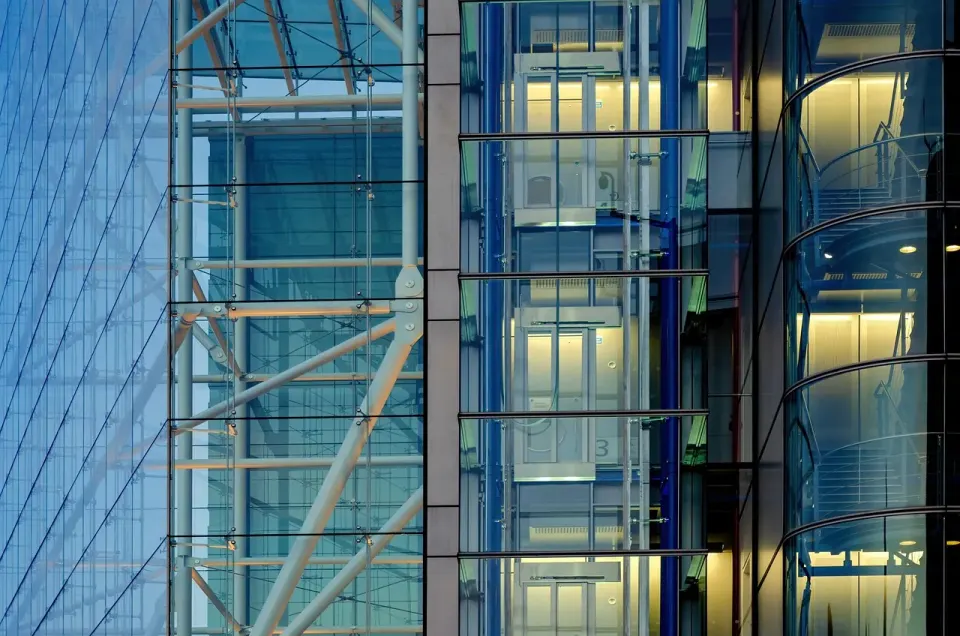
Qualified improvement property (QIP) is interior work a tenant pays for in an existing commercial building. It has a 15-year recovery period. When it is acquired and placed in service after January 19, 2025, it qualifies for 100% bonus depreciation. Roofs, elevators and structural framework are excluded. Confirm the split with your CPA before you sign.
New Club Cocoon covers commercial leasing from the tenant's side of the table. This guide is for owners, operators and office managers who are about to pay for a build-out. It explains how federal tax rules treat qualified improvement property in a leased space, which fit-out costs usually count, and how to keep the paperwork clean. It is general information, not tax advice.
A fit-out is often the largest single cheque of a lease. The One Big Beautiful Bill Act (OBBBA) made 100% bonus depreciation permanent in 2025, so the tax side of that cheque is easier to plan than it was a year ago. The result still depends on how the contract and the invoices are written.
What counts as qualified improvement property in a leased space?
Qualified improvement property is any improvement to the interior of a nonresidential building, made after the building was first placed in service. The Internal Revenue Service (IRS) excludes the enlargement of the building, elevators and escalators, and the internal structural framework. Drywall, ceilings, interior lighting, flooring and interior plumbing usually qualify. That definition comes from IRS Publication 946, How to Depreciate Property.
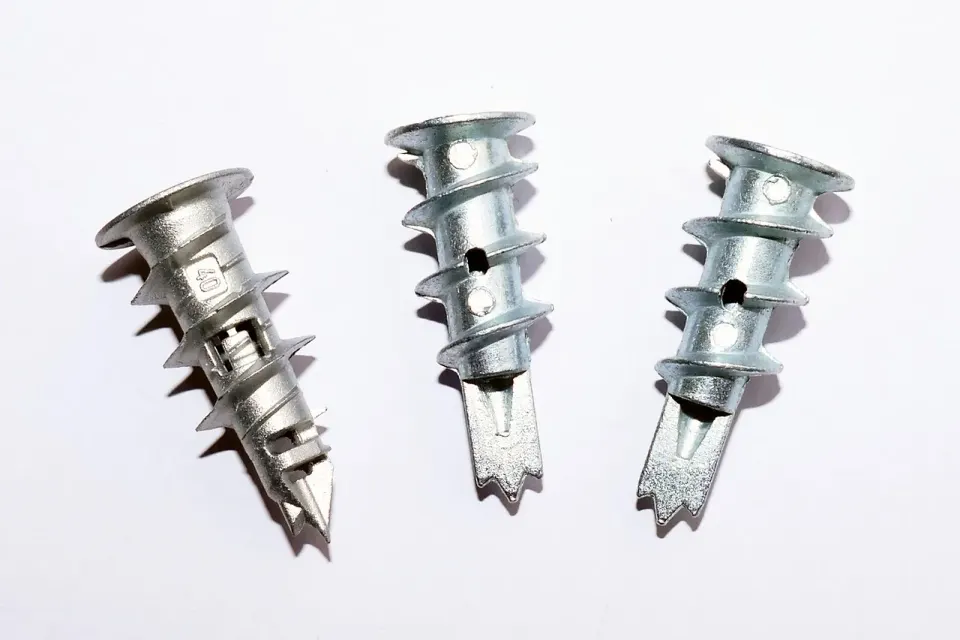
Day-to-day, that covers most of what a tenant buys. Partition walls, drop ceilings, light fixtures, new flooring, restroom plumbing and interior doors all sit inside the building shell. The tax advisers at Doeren Mayhew list drywall, lighting systems, interior plumbing and drop ceilings as standard examples in their explainer on QIP under the OBBBA.
The tenant does not need to own the building. Improvements made to leased space still count, provided the lease is not between related parties. That matters for owners who rent from their own holding company, because that arrangement can disqualify the work.
Timing matters too. The improvement must be placed in service after the building itself. Interior work completed during the original construction does not qualify. A tenant who leases a finished building and then builds out the inside is on the right side of that line.
How does 100% bonus depreciation apply to a tenant's fit-out?
Bonus depreciation lets a business deduct the cost of qualifying property in the first year instead of spreading it over its recovery period. Under IRS Topic No. 704 on depreciation, the special depreciation allowance is 100% for qualified property acquired and placed in service after January 19, 2025.
The allowance is taken after any Section 179 deduction and before ordinary depreciation. QIP keeps its 15-year recovery period, which is what keeps it inside the bonus rules. Bonus depreciation only applies to property with a recovery period of 20 years or less.
The old schedule created real pressure. Before the OBBBA, the bonus rate was set to fall to 40% in 2025 and 20% in 2026 before expiring. Tenants rushed to finish work before year-end. With the rate now permanent, a fit-out can follow the business's needs rather than the tax calendar.
The deduction lands in the year the space is placed in service, not the year you sign the lease or pay the deposit. A build-out that opens in December and one that opens in January can fall in different tax years. Ask your CPA which date they will use.
Some building systems have a second route. IRS Topic No. 704 notes that roofs, heating, ventilation and air-conditioning property, fire protection and alarm systems, and security systems can be treated as Section 179 property when they are placed in service after the building. A tenant rarely replaces a roof, but an HVAC upgrade or a new alarm system is common.
Which fit-out costs usually fall outside QIP?
Not every dollar on the contractor's quote qualifies. The costs below usually need different treatment, so keep them visible in the bid.
- Work that enlarges the building, such as an addition or a mezzanine that adds floor area.
- Elevators and escalators.
- Changes to the internal structural framework, such as load-bearing walls and columns.
- Exterior work, including roofing, windows and rooftop equipment.
- Improvements to space leased between related parties.
- Furniture, loose equipment and most data gear, which follow their own depreciation rules.
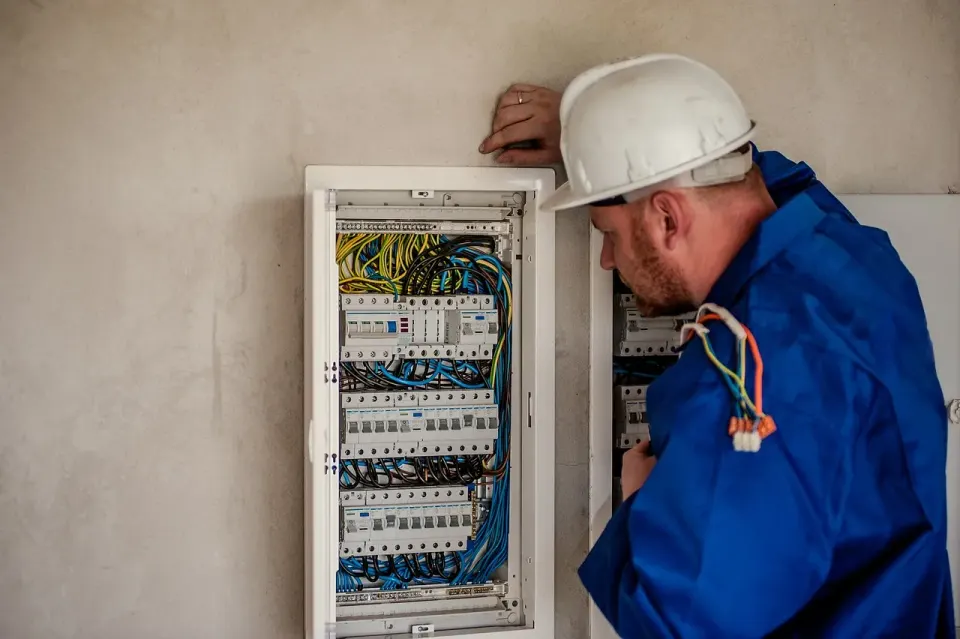
Wiring and lighting inside the walls usually count. The building's own structure does not. That split is why a good bid separates electrical and lighting from structural steel, even on a modest job.
One mistake comes up often. Owners assume that anything attached to the building is QIP. Exterior HVAC units and windows are not, even though they are attached. At New Club Cocoon, our advice is to flag every exterior or structural line early and ask the CPA how it will be treated.
A worked example: a 10,000 square foot office build-out
Numbers make the rules easier to see. The table below is an illustration, not a quote. It assumes a 10,000 square foot office fit-out at $95 per square foot, or $950,000 in total. The comparison of treatments is a likely outcome, not a ruling.
| Cost line | Per sq ft | Total | Likely treatment |
|---|---|---|---|
| Drywall, ceilings and paint | $28 | $280,000 | QIP |
| Interior lighting and electrical | $18 | $180,000 | QIP |
| Flooring and finishes | $14 | $140,000 | QIP |
| Restrooms and interior plumbing | $10 | $100,000 | QIP |
| HVAC distribution | $15 | $150,000 | Ask your CPA |
| Furniture and data cabling | $10 | $100,000 | Separate rules |
The four clear QIP lines add up to $700,000. With 100% bonus depreciation, the full amount can be deducted in the year the space is placed in service. At an assumed combined tax rate of 25%, that is about $175,000 of tax savings in year one. Spread evenly over 15 years, the same deduction would be about $46,700 a year.

Two cautions apply. First, a deduction only helps a business that has taxable income to use it against, so a start-up with no profit may gain little in year one. Second, a landlord's tenant improvement allowance changes who paid for the work, and the treatment depends on the lease. Read that clause before you plan around the number.
Budget size affects how much this matters. Our guide to budgeting an office fit-out as costs near $300 a square foot shows how fast the total grows. Our look at how to protect a tenant build-out budget as input prices rise covers what to do when the bid moves.
How should you set up the fit-out contract so the tax work is easy?
Ask the contractor to price the job in separate lines for interior finishes, building systems, structural work and loose furniture. Keep the invoices, the completion date and the lease together. Your CPA can then separate QIP from other costs without a cost segregation study you did not budget for.

The steps below put that advice in order. Follow them from the first bid to the day the doors open.
- Ask each bidder for an itemized price with interior, systems, structural and furniture lines.
- Get any landlord allowance and its payment terms in writing before work starts.
- Record the date the space is ready for its intended use.
- Note whether the landlord is related to you in any way.
- Book time with a CPA before you sign the construction contract.
The completion date deserves extra care. A slipped schedule can push the placed-in-service date over a year-end. Our walkthrough on how to schedule and bid a tenant fit-out as contractor backlog stretches explains how to build slack into the plan, so the tax year does not become a surprise.
Mistakes that cost tenants the deduction
Most lost deductions come from record keeping, not from the tax rules. Four mistakes show up again and again.
- A single lump-sum invoice that mixes structure, finishes and furniture.
- Paying for work on a landlord-related entity's property without checking the related-party rule.
- Treating exterior items as QIP because they are attached to the building.
- Ignoring the lease clause that says who owns the improvements at the end.
The last one connects to the exit. Fit-out money is also exposed when a tenant moves out and the lease demands restoration. A flexible space, such as the warehouse and flex units covered in our piece on leasing warehouse or flex space at 6.5% vacancy, often needs lighter build-out and a lighter hand-back. Match the size of the build-out to how long you plan to stay.
Conclusion: plan the tax before the first invoice
Qualified improvement property turns a large fit-out cost into a first-year deduction, as long as the work is interior, post-dates the building and sits on a lease between unrelated parties. The rules are now permanent, so planning is about documentation rather than deadlines.
Your next step is simple. Ask for an itemized bid, put the landlord's allowance in writing and call a CPA before you sign. New Club Cocoon will keep tracking changes to these rules. This article was checked against IRS Topic No. 704 as of November 2026.
Does a tenant qualify for bonus depreciation on a leased space?
Are furniture and equipment part of qualified improvement property?
What is the recovery period for a tenant fit-out under QIP rules?
Keep reading
All stories ↗ Tenant Improvements and Taxes: Who Can Deduct a Fit-Out in 2026 Fit-out spending can be a first-year deduction for a tenant, but only if the lease, the allowance and the contract line up. By Colm Brady — 7 min
 How to Schedule and Bid a Tenant Fit-Out as Contractor Backlog Reaches 8.7 Months ABC's September survey shows contractors with 8.7 months of work. Here is how a tenant can plan, bid and protect the schedule. By Colm Brady — 8 min
 How to Protect a Tenant Build-Out Budget as Construction Input Prices Rise 11.2% Construction input prices were up 11.2% from a year earlier in September 2026. Here is how a tenant can lock quotes, cap escalation and size contingency before signing a build-out contract. By Colm Brady — 7 min
 Next in the index — 07 / 20 Leasing — 8 min
Tenant Improvement Allowance in 2026: What to Ask For as Free Rent Shrinks



The Monday memo · free
Subscribe for the Monday memo
One long read, three clauses worth knowing and a note on the market, every Monday morning.
( Tap to say yes )